

Right now, the fastest way to get someone’s attention isn’t always something bright, bold and new - it’s something they already recognise/relate to.
Think about how you can spot a Woolworths food post instantly - the clean aesthetic, the lighting, the premium feel. You don’t need the logo to tell you, you just recognise it. Or in the world of creators, when you hear a creator’s signature intro or see their first frame and instantly know who it is - that split-second recognition is what stops the scroll.
Nostalgia has become one of the most effective tools in marketing, not just because it looks good, but because it makes people feel connected to the content messaging instantly. In an attention economy where audiences scroll faster than ever, brands are turning to nostalgia because it delivers something fresh: emotion without effort. Instead of asking people to process something new, nostalgia prompts recognition and that’s incredibly powerful. It’s why certain posts get engagement almost immediately: nostalgia doesn’t demand attention, it earns it (Or: rather it has already earned it). Our CEO, Philippa McCann Davies said it so well on her recent linkedin post:
“Word of mouth isn’t luck. It’s intentional. Build something worth talking about, give people a story they can’t help but share, and set up the system to let it run wild. Marketing happens when you stop marketing and start creating momentum.”
Recent industry insights show nostalgia marketing can strengthen emotional attachment and brand loyalty - leading to deeper engagement, not just impressions . Nostalgic posts on social platforms tend to get 30% more shares and likes than standard campaign content, according to a 2025 report on nostalgia marketing trends.
In a digital landscape that moves fast (and forgets even faster), that kind of emotional shortcut is valuable. Research from the Journal of Consumer Research shows that nostalgia can drive engagement - and more importantly, increase emotional attachment to brands, which you see happen in real time.
Platforms like TikTok and Instagram are built around remix culture, where older trends and aesthetics come back into relevance. Old songs trend again. Y2K fashion resurfaces. Early 2000s styles are reworked for a new audience. This isn’t just repetition, it’s remix culture.
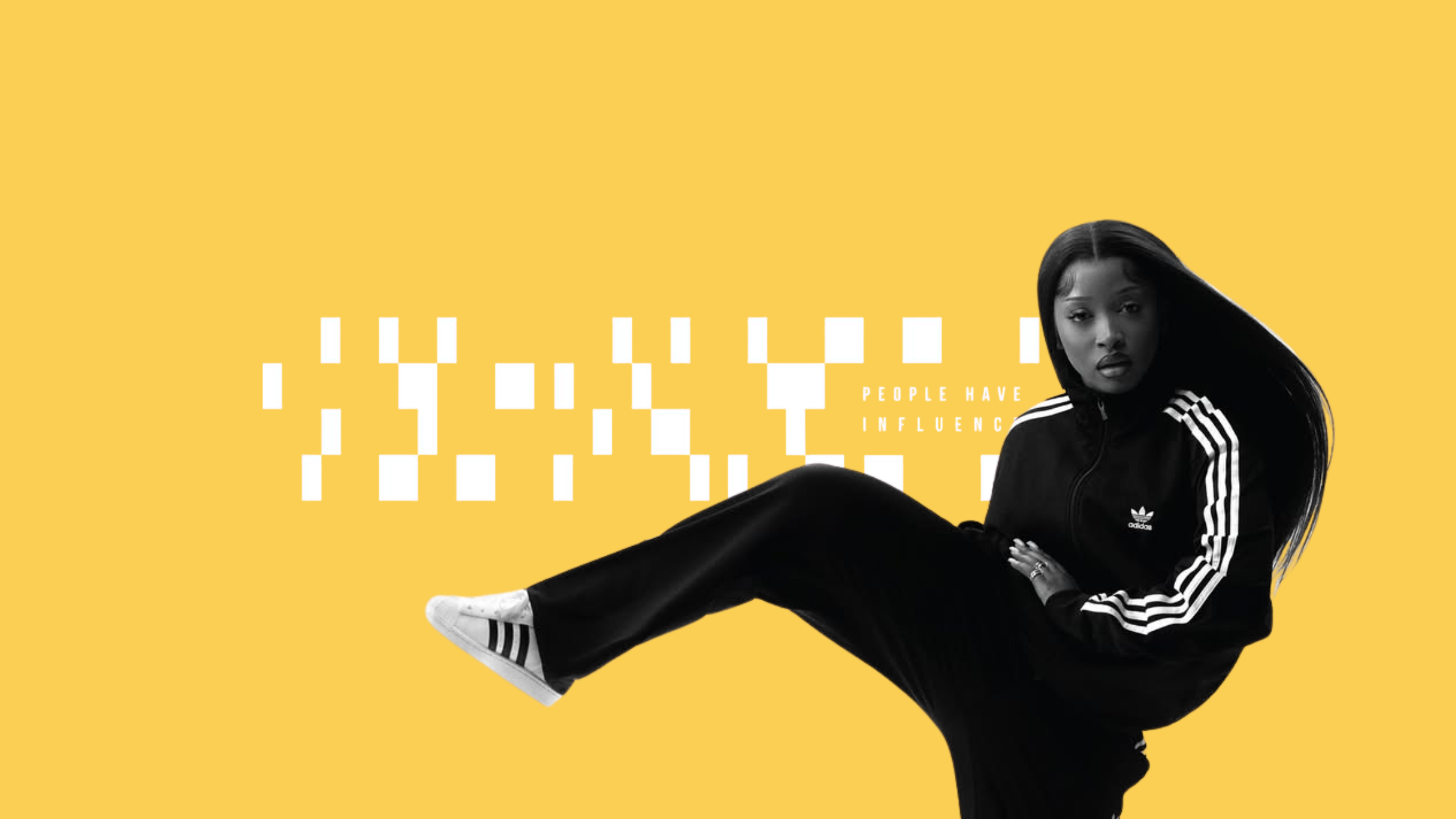
A good example is the Adidas campaign featuring Uncle Waffles. It taps into the legacy of the Superstar, but places it firmly in today’s culture. It doesn’t feel like a throwback - it feels current, just with history behind it. And that’s why it works.
Because nostalgic content is instantly recognisable, people don’t need context. They just get it. Which makes them far more likely to engage, share, and tag someone else who’ll get it too. Check out more about this partnership here.
Nostalgia on its own isn’t enough, it needs to feel relevant and real for the current digital space and time. This is where content creators come in.
Influencer marketing works because creators don’t just reference culture - they live in it, and influence its impact on daily life. They know which moments matter, which ones feel overdone, and how to bring something back without it feeling forced.
Whether it’s throwback fashion, old school routines, or music people grew up with - creators make nostalgia feel personal.
According to Nielsen, emotionally driven campaigns can outperform rational ones by up to 23%. However, emotion only works when it feels genuine - and creators are key to getting that balance right.
Nostalgia isn’t just playing out globally - it’s also landing strongly in South Africa.
A great example of this is Side Step and Adidas’ Origin Stories - that we were proudly a part of bringing to life. Rather than just promoting their products, the campaign invited creators and consumers across South Africa to share their origin stories of the very first pair of adidas originals that marked a milestone/memory in their lives. This approach shows why nostalgia can be so powerful. It turns personal memory into community and connection, making content instantly deeply relatable and highly shareable.
When brands tap into moments that are locally meaningful, the response tends to be stronger - because it feels personal, not generic.
Take Shoprite’s Rand-a-Rama campaign, which drew from the iconic show Jam Alley. The campaign recreated the look and feel of the show - the music, the dancing, the overall energy, while tying it back to in-store deals. People got it immediately. It wasn’t just another ad, it felt familiar. A lot of viewers recognised the reference, shared it, and engaged with it because it reminded them of something they grew up with.
For a lot of people, that reference wasn’t random - it was specific, familiar, and culturally relevant.
According to The 2025 Sprout Index, about 33% of consumers found it embarrassing when brands awkwardly jump on viral trends. Empathy and authenticity are what truly matters to audiences, not just trend chasing. Forced throwbacks feel gimmicky, and audiences spot inauthentic attempts immediately.
Effective nostalgic campaigns follow three key principles. First, they reference meaningful cultural moments like childhood snacks, school routines, or iconic pop culture- resonate far more than generic retro aesthetics. For example, content around kota runs, lunchboxes, and spaza shops has proven popular. Creators like Lasizwe Dambuza have built their platforms around relatable, everyday South African experiences through humour and character driven storytelling often reflecting familiar social dynamics and the “we all know this” moments.
Second, creators should be allowed to tell the story. The best results come from creators who have a real connection to these moments or who know how to bring them to life. Campaigns led by storytellers like Trevor Stuurman or Sarah Langa go beyond featuring products - they build narratives around identity, memory and lifestyle.
Finally, nostalgia should blend past and present. Reinterpreting nostalgic elements in modern formats keeps campaigns fresh while still tapping into familiarity. Throwback content delivered through TikTok or Instagram reels for example, feels clever, relatable, and shareable. Brands such as Nando’s and KFC have successfully combined nostalgic cues with memes, trends, and creator led humour to achieve this.
At People Have Influence, we partner with you to build campaigns where strategy meets culture.
Nostalgia is powerful, but only when it’s used with context. That means understanding not just what to reference, but why it matters and who should be telling that story.
By working closely with creators, we help brands tap into cultural moments in a way that feels natural and relevant to their audience - because ultimately, nostalgia isn’t just about the past.
It’s about creating something people recognise, connect with, and want to share right now.
Good nostalgia doesn’t feel like looking backwards - it feels like recognising something in a new way. Do it right, and it feels effortless. Do it wrong, and it feels like a brand trying too hard to be in on something they don’t fully understand.
Resources:
https://jier.org/index.php/journal/article/view/1217?
https://blogs.readymadework.com/nostalgia-marketing-in-2025-winning-hearts-with-emotional-campaigns
https://www.advancetravelandtourism.com/insights/the-2025-sprout-social-index
Right now, the fastest way to get someone’s attention isn’t always something bright, bold and new - it’s something they already recognise/relate to.
Think about how you can spot a Woolworths food post instantly - the clean aesthetic, the lighting, the premium feel. You don’t need the logo to tell you, you just recognise it. Or in the world of creators, when you hear a creator’s signature intro or see their first frame and instantly know who it is - that split-second recognition is what stops the scroll.
Nostalgia has become one of the most effective tools in marketing, not just because it looks good, but because it makes people feel connected to the content messaging instantly. In an attention economy where audiences scroll faster than ever, brands are turning to nostalgia because it delivers something fresh: emotion without effort. Instead of asking people to process something new, nostalgia prompts recognition and that’s incredibly powerful. It’s why certain posts get engagement almost immediately: nostalgia doesn’t demand attention, it earns it (Or: rather it has already earned it). Our CEO, Philippa McCann Davies said it so well on her recent linkedin post:
“Word of mouth isn’t luck. It’s intentional. Build something worth talking about, give people a story they can’t help but share, and set up the system to let it run wild. Marketing happens when you stop marketing and start creating momentum.”
Recent industry insights show nostalgia marketing can strengthen emotional attachment and brand loyalty - leading to deeper engagement, not just impressions . Nostalgic posts on social platforms tend to get 30% more shares and likes than standard campaign content, according to a 2025 report on nostalgia marketing trends.
In a digital landscape that moves fast (and forgets even faster), that kind of emotional shortcut is valuable. Research from the Journal of Consumer Research shows that nostalgia can drive engagement - and more importantly, increase emotional attachment to brands, which you see happen in real time.
Platforms like TikTok and Instagram are built around remix culture, where older trends and aesthetics come back into relevance. Old songs trend again. Y2K fashion resurfaces. Early 2000s styles are reworked for a new audience. This isn’t just repetition, it’s remix culture.
A good example is the Adidas campaign featuring Uncle Waffles. It taps into the legacy of the Superstar, but places it firmly in today’s culture. It doesn’t feel like a throwback - it feels current, just with history behind it. And that’s why it works.
Because nostalgic content is instantly recognisable, people don’t need context. They just get it. Which makes them far more likely to engage, share, and tag someone else who’ll get it too. Check out more about this partnership here.
Nostalgia on its own isn’t enough, it needs to feel relevant and real for the current digital space and time. This is where content creators come in.
Influencer marketing works because creators don’t just reference culture - they live in it, and influence its impact on daily life. They know which moments matter, which ones feel overdone, and how to bring something back without it feeling forced.
Whether it’s throwback fashion, old school routines, or music people grew up with - creators make nostalgia feel personal.
According to Nielsen, emotionally driven campaigns can outperform rational ones by up to 23%. However, emotion only works when it feels genuine - and creators are key to getting that balance right.
Nostalgia isn’t just playing out globally - it’s also landing strongly in South Africa.
A great example of this is Side Step and Adidas’ Origin Stories - that we were proudly a part of bringing to life. Rather than just promoting their products, the campaign invited creators and consumers across South Africa to share their origin stories of the very first pair of adidas originals that marked a milestone/memory in their lives. This approach shows why nostalgia can be so powerful. It turns personal memory into community and connection, making content instantly deeply relatable and highly shareable.
When brands tap into moments that are locally meaningful, the response tends to be stronger - because it feels personal, not generic.
Take Shoprite’s Rand-a-Rama campaign, which drew from the iconic show Jam Alley. The campaign recreated the look and feel of the show - the music, the dancing, the overall energy, while tying it back to in-store deals. People got it immediately. It wasn’t just another ad, it felt familiar. A lot of viewers recognised the reference, shared it, and engaged with it because it reminded them of something they grew up with.
For a lot of people, that reference wasn’t random - it was specific, familiar, and culturally relevant.
According to The 2025 Sprout Index, about 33% of consumers found it embarrassing when brands awkwardly jump on viral trends. Empathy and authenticity are what truly matters to audiences, not just trend chasing. Forced throwbacks feel gimmicky, and audiences spot inauthentic attempts immediately.
Effective nostalgic campaigns follow three key principles. First, they reference meaningful cultural moments like childhood snacks, school routines, or iconic pop culture- resonate far more than generic retro aesthetics. For example, content around kota runs, lunchboxes, and spaza shops has proven popular. Creators like Lasizwe Dambuza have built their platforms around relatable, everyday South African experiences through humour and character driven storytelling often reflecting familiar social dynamics and the “we all know this” moments.
Second, creators should be allowed to tell the story. The best results come from creators who have a real connection to these moments or who know how to bring them to life. Campaigns led by storytellers like Trevor Stuurman or Sarah Langa go beyond featuring products - they build narratives around identity, memory and lifestyle.
Finally, nostalgia should blend past and present. Reinterpreting nostalgic elements in modern formats keeps campaigns fresh while still tapping into familiarity. Throwback content delivered through TikTok or Instagram reels for example, feels clever, relatable, and shareable. Brands such as Nando’s and KFC have successfully combined nostalgic cues with memes, trends, and creator led humour to achieve this.
At People Have Influence, we partner with you to build campaigns where strategy meets culture.
Nostalgia is powerful, but only when it’s used with context. That means understanding not just what to reference, but why it matters and who should be telling that story.
By working closely with creators, we help brands tap into cultural moments in a way that feels natural and relevant to their audience - because ultimately, nostalgia isn’t just about the past.
It’s about creating something people recognise, connect with, and want to share right now.
Good nostalgia doesn’t feel like looking backwards - it feels like recognising something in a new way. Do it right, and it feels effortless. Do it wrong, and it feels like a brand trying too hard to be in on something they don’t fully understand.
Resources:
https://jier.org/index.php/journal/article/view/1217?
https://blogs.readymadework.com/nostalgia-marketing-in-2025-winning-hearts-with-emotional-campaigns
https://www.advancetravelandtourism.com/insights/the-2025-sprout-social-index
We’d love to hear from you. For any enquiries, questions or conversations, feel free to contact us.


