Beyond the Calendar: How Brands Can Build Living Heritage Through Creators and Communities
Jadeigh Adonis
September 30, 2026
Heritage is not a campaign theme
Every September, brands turn their attention to heritage. Campaigns celebrate culture, spotlight traditions and create space for stories that may not always receive attention throughout the year.
But the more important question is not whether a brand should participate in Heritage Month. It is whether the brand has a meaningful story to contribute, and what it does with that story after September ends.
Heritage marketing is not simply about referencing the past. It is about identifying the people, products, memories and experiences that have shaped a brand, then finding ways to make those connections relevant in the present.
This requires more than a well-written campaign concept. It requires research, cultural awareness and an understanding of the communities who give those stories meaning.
Creators can play an important role in that process. They do not simply distribute a brand's message. When selected thoughtfully, they can interpret a story through their own experiences, introduce it to relevant communities and create opportunities for audiences to contribute their own perspectives.
Looking at Dolly Varden's Tissue Oil launch, Side Step x adidas Originals' #OriginStories and Vaseline's Mntana ka Gogo campaign, we explore what brands can learn about making heritage more specific, participatory and relevant beyond Heritage Month.
1. Start with what the brand has earned, not what the calendar expects
A heritage campaign becomes more meaningful when it begins with a genuine connection.
That connection might be an established product, a longstanding customer relationship, a family ritual, a founder story or a familiar experience associated with the brand. The role of the marketer is to identify what is already there before deciding how to package it for an audience.
This is also where heritage marketing differs from simply participating in a cultural moment. Culture is dynamic and shared, and brands can participate in cultural conversations when they have a relevant and respectful reason to do so. Heritage, meanwhile, can provide a more specific connection to a brand's history, identity or relationship with a community.
The distinction matters because heritage should not be added to a campaign as decoration. It needs to be connected to something real.
Recent research on South African heritage advertising has also highlighted the importance of moving beyond repeated, narrow representations of heritage and developing narratives that connect with people's lived realities.
Dolly Varden: Bringing an existing product into a new story
Dolly Varden's Tissue Oil campaign offers an example of how a brand can use its existing product history to support a new product narrative.
The campaign introduced Dolly Varden's new Tissue Oil range while bringing attention back to its heritage Glycerine Oil, which was relaunched in new packaging. Rather than presenting the new range as entirely separate from the brand's past, the campaign connected the new product to something consumers may already recognise.
The lesson is not simply that brands should bring back old products. It is that existing brand assets can become meaningful starting points for new stories.
This has implications for creator selection, too. The right creator is not necessarily the person with the largest audience. It is the person whose interests, experiences and community relationships make the story feel relevant.
A creator who already speaks naturally about beauty, personal care, family routines or product discovery may be better positioned to interpret the story than someone selected solely for reach.
2. Let people bring their own meaning to the brand
Brands often approach heritage as something they need to explain to audiences. However, many heritage stories already exist in people's memories, routines and personal experiences.
A stronger strategy creates space for audiences to add their own meaning, rather than presenting heritage as a finished narrative.
Side Step x adidas Originals: #OriginStories
The Side Step and adidas Originals #OriginStories campaign took a personal approach to sneaker culture. Instead of focusing only on the product, the campaign invited sneakerheads to share the stories behind their relationship with sneakers.
In its first phase, creators shared their own origin stories and the role sneaker culture had played in their lives. The second phase expanded the idea by asking sneakerheads across South Africa to share the stories behind their first pair, whether they bought them themselves, received them as a gift or found them somewhere unexpected.
The campaign recognised that a sneaker can represent much more than a product. It can hold memories of a first payday, a particular period of someone's life, a personal style journey or a relationship with the person who gave it to them.
The campaign later moved into a public #OriginStories competition, inviting customers to participate after purchasing adidas sneakers.
This progression offers an important strategic lesson: creators can open a conversation, but communities can give that conversation depth.
Rather than keeping storytelling limited to paid creator content, brands can create opportunities for customers and audiences to contribute their own experiences. This shifts heritage from something a brand communicates to something people can actively participate in.
3. Specificity creates stronger cultural connections
Heritage marketing does not have to speak about an entire culture or represent every experience within a community. In many cases, a more specific story can create a more meaningful connection.
The challenge is to identify a ritual, memory or relationship that has a genuine connection to both the brand and the people it wants to reach.
Vaseline: Mntana ka Gogo
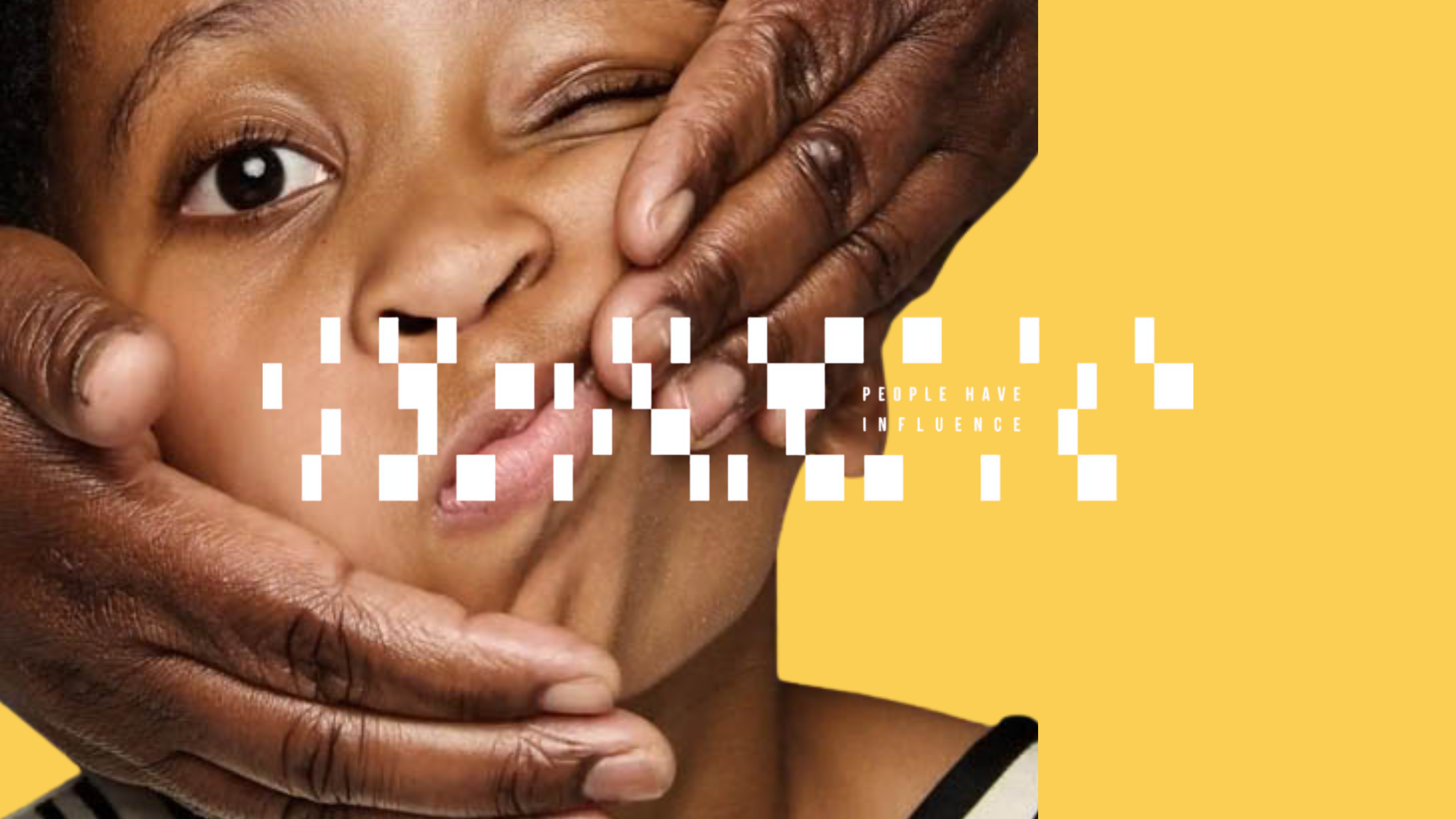
Vaseline's Mntana ka Gogo campaign, created by VML South Africa, focused on a familiar practice among many Black South African families: grandmothers applying Vaseline to children's skin before they went out for the day.
The campaign connected this intergenerational ritual to Vaseline's history in South African households. Its central line, “Some traditions aren't passed down, they're rubbed in,” captured the relationship between product use, memory and family.
The campaign's response also demonstrated how a specific story can encourage people to share their own experiences. VML reported that audiences responded with childhood memories, including stories about continuing the practice with their own children.
What makes the example useful is its specificity. Rather than trying to represent South African heritage in broad terms, it focused on one recognisable ritual and the relationships attached to it.
For brands, the lesson is clear: the strongest cultural connection may come from exploring one meaningful experience deeply, rather than attempting to speak for everyone.
What brands should take into 2027
Heritage Month can be a useful starting point, but brands should approach heritage as an ongoing strategic consideration rather than a once-a-year content requirement.
Instead of asking, “What can we post for Heritage Month?”, marketers can ask:
1. What already exists within our brand?
Look beyond obvious historical milestones. Consider products, packaging, customer habits, family routines, founder stories, visual codes and memories that people associate with the brand.
The aim is to identify a story that has a genuine foundation, rather than creating a connection simply because the calendar calls for one.
2. Which communities are connected to that story?
Before choosing a platform or creator, identify the communities that already understand, use or relate to the subject.
This can help brands determine where the story belongs and what perspectives may be missing from the campaign. It also creates a stronger foundation for selecting creators based on relevance, cultural understanding and community fit.
3. What role should the creator play?
Creators do not all need to perform the same function. Depending on the campaign, they may act as:
- Storytellers who share a personal experience.
- Cultural interpreters who connect a brand idea to their community.
- Educators who provide context and background.
- Conversation starters who invite audiences to contribute.
- Co-creators who help shape the campaign itself.
Choosing the creator should follow the strategic role, not happen before the brand understands what the story requires.
4. How can audiences participate?
A campaign can begin with a creator's story, but it should consider whether audiences have an opportunity to respond, contribute or reinterpret the idea.
This could include community submissions, conversations, customer stories, events, competitions or ongoing creator-led content. Participation should feel connected to the campaign's central idea, rather than being added simply to generate engagement.
5. What happens after September?
Heritage does not need to disappear when Heritage Month ends. A meaningful story can inform product launches, creator series, anniversaries, packaging, retail experiences, community activations and evergreen content.
The format may change, but the underlying connection should remain recognisable.
The long-term opportunity is not to repeat the same heritage campaign every year. It is to understand what a brand has inherited, what its communities remember and how those stories can continue to develop.
Where P.H.I. comes in
At P.H.I., we believe effective creator partnerships begin with a clear understanding of the story a brand wants to tell and the people who can tell it meaningfully.
Heritage-led campaigns require more than finding a creator who fits a brief. They require identifying the right communities, understanding the cultural context and creating space for creators and audiences to contribute something of their own.
The opportunity for brands is to move beyond campaigns that simply acknowledge heritage and build strategies that allow those stories to remain relevant, evolving with the people who carry them forward.
Because heritage is not only about where a brand has been. It is also about what people choose to carry forward.
.png)
%2520copy.png)